


Condition
Kidney stone treatment in Azerbaijan
Urologist review of your CT, help for small stones to pass, dissolution of uric acid stones, prevention, and lithotripsy or laser removal when needed.
Kidney stones are hard deposits that form from minerals in the urine. Many cause no symptoms for years, while a stone that moves into the ureter can cause sudden severe pain in the side or back that spreads towards the groin, often with nausea or blood in the urine. Treatment in Baku is planned by a urologist, and the right option depends on the size, position and type of the stone.
Not every stone needs an operation. Small stones often pass on their own with pain relief and plenty of fluids, some medicines can help a stone in the lower ureter to pass, and uric acid stones can often be dissolved. When a stone is too large, blocks the urine flow or keeps causing pain, the urologist may suggest shock wave lithotripsy, laser ureteroscopy or keyhole removal. You send your scans first, the urologist gives a preliminary opinion, and we prepare a written estimate before you travel.
Treatment options in Azerbaijan
Urologist review and tests
A CT scan without contrast shows stones most precisely, and an ultrasound is also used. The urologist checks urine and blood tests, kidney function and signs of infection, then explains which route suits your stone.
UrologyWaiting for a small stone to pass
Small stones in the ureter, usually up to about 5 mm, often pass on their own within a few weeks. The doctor prescribes pain relief, advises on fluids and tells you when a follow-up scan is needed.
Medicines that help a stone pass
For some stones in the lower ureter the urologist may prescribe a medicine that relaxes the ureter so that the stone passes more easily. It is used only when the doctor confirms it is suitable and safe for you.
Dissolving uric acid stones
Stones made of uric acid can often be dissolved by making the urine less acidic with tablets and changes in diet. The urologist decides this based on the stone density on CT and your urine and blood tests.
Prevention of new stones
Analysis of a passed or removed stone and a metabolic check help the doctor give personal advice on fluids, salt, protein and calcium, and on medicines if needed, to lower the risk of new stones.
Lithotripsy or laser removal
When a stone is too large to pass, blocks the kidney or keeps causing pain, the urologist may recommend shock wave lithotripsy from outside the body, ureteroscopy with laser or percutaneous removal for large stones.
Kidney stone removalWhere treatment takes place

Who it may suit
- People with kidney or ureter stones found on ultrasound or CT who want to know whether surgery is really needed
- Patients with repeated attacks of renal colic or a stone that has not passed after several weeks
- Those with recurring stones who want a stone analysis and a prevention plan
- Patients with uric acid stones who may be suited to dissolution treatment
- People who have been advised to have lithotripsy or laser removal and want a second opinion
When the trip should wait
- Fever or chills together with side pain can mean an infected, blocked kidney and needs emergency care at home, not travel
- Pain that cannot be controlled, vomiting that does not stop or very little urine needs urgent help before any trip
- During pregnancy stones are managed differently, and shock wave lithotripsy is not used
- Blood thinners must be reviewed with the doctor in advance and never stopped on your own
The final decision is always made by the doctor after reviewing your documents.
Documents for the medical review
Send whatever you already have. If something is missing, the doctor will tell you what else is needed.
- CT scan without contrast or an ultrasound, with the images if possible and the radiologist report
- Recent urine test and blood tests with creatinine
- Analysis of a previous stone, if you have one
- Reports from your urologist or other doctors and a list of current medicines
- Information about pregnancy, heart, kidney or blood clotting problems
- Passport copy for the visa and booking
Frequently asked questions
Can kidney stones be treated without surgery?
Often yes. Small stones frequently pass on their own with pain relief and fluids, some medicines help stones in the lower ureter to pass, and uric acid stones can often be dissolved. The urologist decides after reviewing your CT and tests whether this is suitable or whether the stone should be removed.
What size of stone passes on its own?
Stones in the ureter up to about 5 mm pass on their own in many cases, while larger stones are less likely to pass without help. Position and shape also matter, so the urologist looks at your scans before giving advice.
Is lithotripsy an operation?
Shock wave lithotripsy breaks the stone from outside the body without an incision and is often done without a hospital stay. Ureteroscopy and percutaneous removal are carried out under anaesthesia. The urologist explains which method suits your stone and why.
How long should I stay in Baku?
For an assessment and a treatment plan a few days are usually enough. If lithotripsy or laser removal is needed, most patients stay about 5 to 10 days, depending on the method and whether a temporary stent is placed.
How can I prevent new kidney stones?
Drinking enough fluid through the day is the most important step. Depending on the stone type, the doctor may also advise less salt and animal protein, normal calcium intake and sometimes medicines. Stone analysis helps make this advice personal.
How much does kidney stone treatment cost in Baku?
The cost depends on the tests needed, whether the stone is treated without surgery or removed, the method chosen, the hospital stay and your accommodation. After reviewing your reports we send a written estimate listing everything included before you book.
Related treatment areas
If surgery is needed
For some patients the doctor recommends an operation after reviewing the scans. These pages explain how it is done in Azerbaijan.
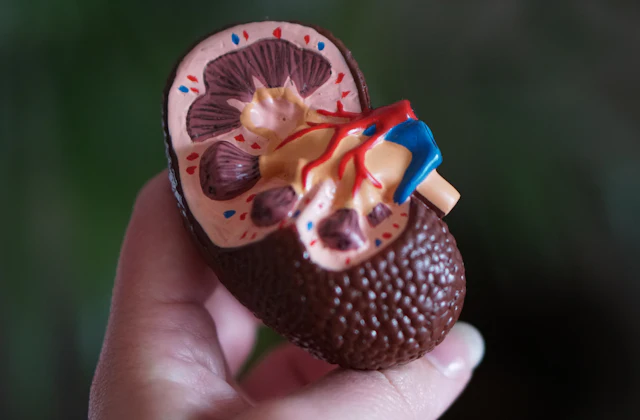
Whether you need an operation is decided by the doctor after reviewing your scans and reports.
Other conditions
Send your reports and receive a treatment plan
Tell us about your condition. A coordinator will reply in your language, and the specialist will review your documents.