


Condition
Rosacea treatment in Baku
Dermatologist assessment in Baku for facial redness, visible vessels and flare-ups, with a plan you can continue at home.
Rosacea treatment in Baku starts with a dermatologist, who looks at where the redness appears on the face, whether there are visible small vessels, bumps or pimples, and asks what tends to make it worse. Rosacea is a long-term condition that often comes and goes in flares. It is not caused by poor hygiene and is not contagious, and good control usually relies on several measures working together.
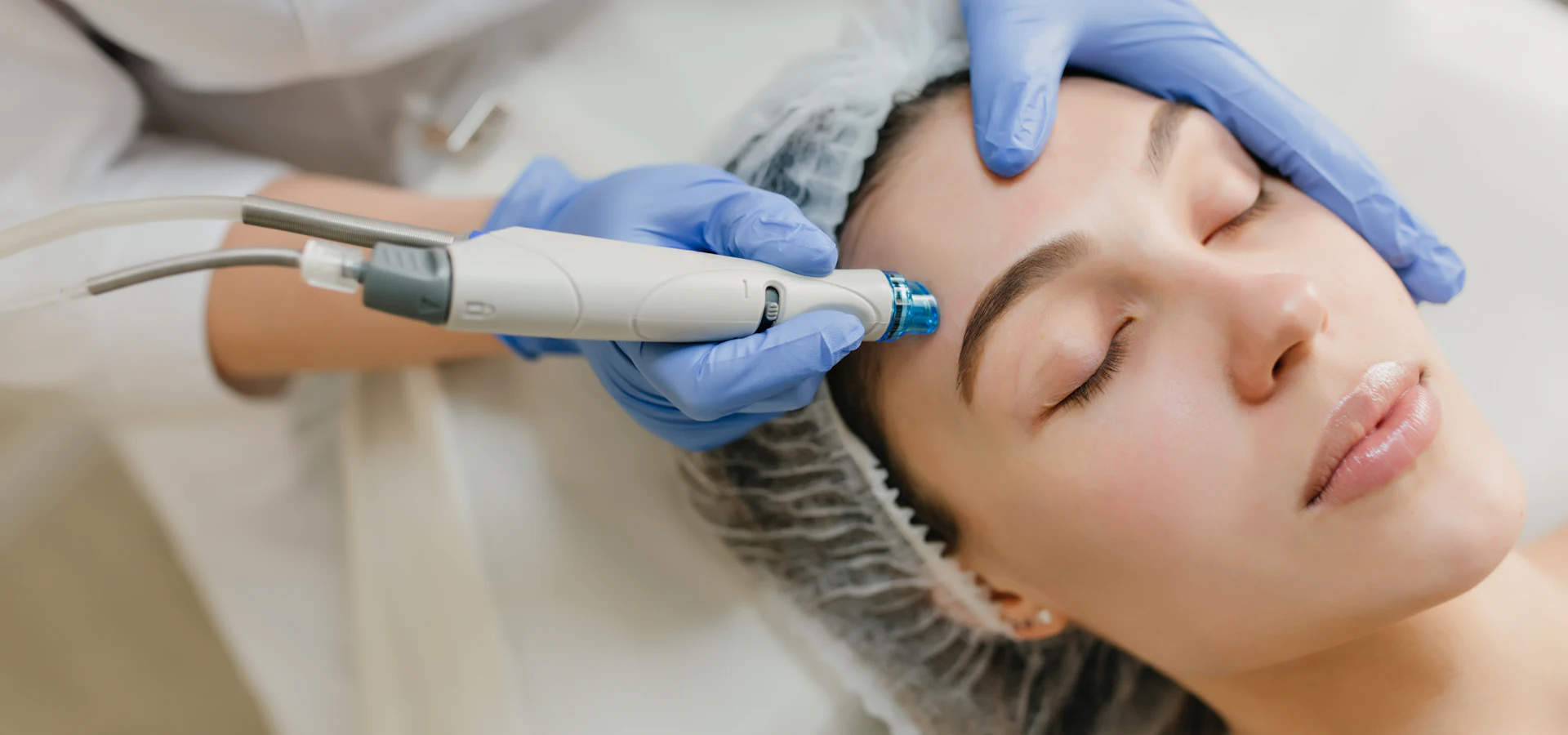
Medical treatment is prescribed by the dermatologist, usually takes weeks or months and continues at home. For persistent redness and visible vessels, laser or light-based treatment may be one of the options if the clinic offers it, and the doctor decides whether it suits you. The trip is mainly for an assessment and a plan, or for such procedures. We review your photos, send a written estimate and arrange the visa, transfers and an interpreter.
Treatment options in Azerbaijan
Assessment of the skin and triggers
The dermatologist examines the face, identifies which features of rosacea you have, such as flushing, persistent redness, visible vessels or inflamed bumps, and reviews the creams and medicines you have already tried. Other causes of facial redness are considered as well.
Medical treatment as prescribed
Depending on the type of rosacea, the doctor may prescribe a cream or gel, tablets for a limited period or a combination of both. The effect usually builds up over several weeks, and treatment continues at home, ideally with follow-up by your own doctor.
Laser or light-based treatment for visible vessels
For visible small vessels and persistent redness, the dermatologist may suggest laser or another light-based treatment if the clinic offers a suitable method. Several sessions a few weeks apart are often needed, and the procedure does not prevent new flares, so daily care still matters.
Aesthetic surgeryEye check when needed
Rosacea sometimes affects the eyes and causes dryness, a gritty feeling or red, irritated eyelids. When such symptoms are present, the doctor may suggest an examination by an ophthalmologist during the same visit.
OphthalmologyWhere treatment takes place
Who it may suit
- Adults with persistent facial redness or flushing who would like a clear diagnosis and plan
- People with rosacea whose current treatment no longer seems to work
- Patients with visible small vessels on the cheeks or nose who want to discuss laser or light-based options
- People with rosacea who also have dry, irritated eyes or eyelids
- Those who can continue treatment at home and return for further sessions if procedures are planned
When the trip should wait
- Active sunburn or a fresh tan is a reason to postpone laser or light-based treatment until the skin has recovered
- During pregnancy or breastfeeding some medicines and procedures are avoided, so the dermatologist adjusts the plan or suggests waiting
- Eye pain, sensitivity to light or any change in vision need prompt care from an eye doctor where you live, and the trip should not delay it
- Expecting rosacea to go away for good is not realistic, since treatment aims to control the symptoms and flares may return
The final decision is always made by the doctor after reviewing your documents.
Documents for the medical review
Send whatever you already have. If something is missing, the doctor will tell you what else is needed.
- Clear photos of the face in daylight without make-up, from the front and both sides
- Photos taken during a flare, if you have them
- Information about previous treatment, including creams, tablets and any laser sessions, with approximate dates
- List of current medicines, skin care products and allergies
- Reports from a dermatologist or eye doctor, if you have them
- Passport copy for the visa and booking
Frequently asked questions
Can rosacea be cured?
Rosacea is usually a long-term condition, and treatment aims to calm redness and bumps and reduce flares rather than make it disappear for good. With a suitable plan and attention to triggers, many people find their skin becomes easier to manage. The dermatologist explains realistic goals after examining you.
What can make rosacea worse?
Common triggers include sun, heat, hot drinks, alcohol, spicy food, wind or cold, intense exercise and harsh skin products. They differ from person to person, so a simple diary of flares can help you notice your own. Daily sun protection and gentle skin care are part of most plans, and the doctor gives advice suited to your skin.
Can visible vessels on the face be removed with a laser?
Laser or another light-based treatment is one of the options that may be considered for visible small vessels and persistent redness, if the clinic offers a suitable method. Whether it suits you depends on your skin type, recent sun exposure and medicines, and the dermatologist decides. Redness or swelling for a few days afterwards is possible, and several sessions may be needed.
How long should I plan to stay in Baku?
An assessment usually takes 1 to 2 days, or up to 3 days if an eye examination or a first procedure is added. Laser sessions are often spaced several weeks apart, so further short visits may be needed, and the doctor confirms the schedule. Many doctors in Azerbaijan speak Russian, and we arrange an interpreter for other languages.
How much does rosacea treatment in Baku cost?
The cost depends on whether you need an assessment only or procedures as well, on the number of sessions the doctor suggests, the accommodation and the transfers. After reviewing your photos we send a written estimate that lists everything included. You can also book an online consultation with a doctor before travelling.
Related treatment areas
Other conditions
Send your reports and receive a treatment plan
Tell us about your condition. A coordinator will reply in your language, and the specialist will review your documents.