Second medical opinion
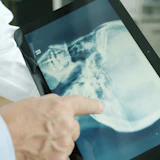
An oncologist studies your existing reports, scans and pathology results and gives a written opinion on the diagnosis and possible treatment options. This can usually start remotely from your documents.
Treatment in Azerbaijan
Diagnostics, second medical opinion and treatment planning with oncologists.
Typical figures. The exact plan is confirmed by the treating doctor after the medical review.
A cancer diagnosis raises many questions, and it is natural to want a careful second look before making decisions. MedAzerbaijan helps patients and their families reach oncologists at licensed clinics in Azerbaijan for a second medical opinion, further diagnostics or treatment. In many cases the review can begin remotely from your existing records, before any travel is planned.
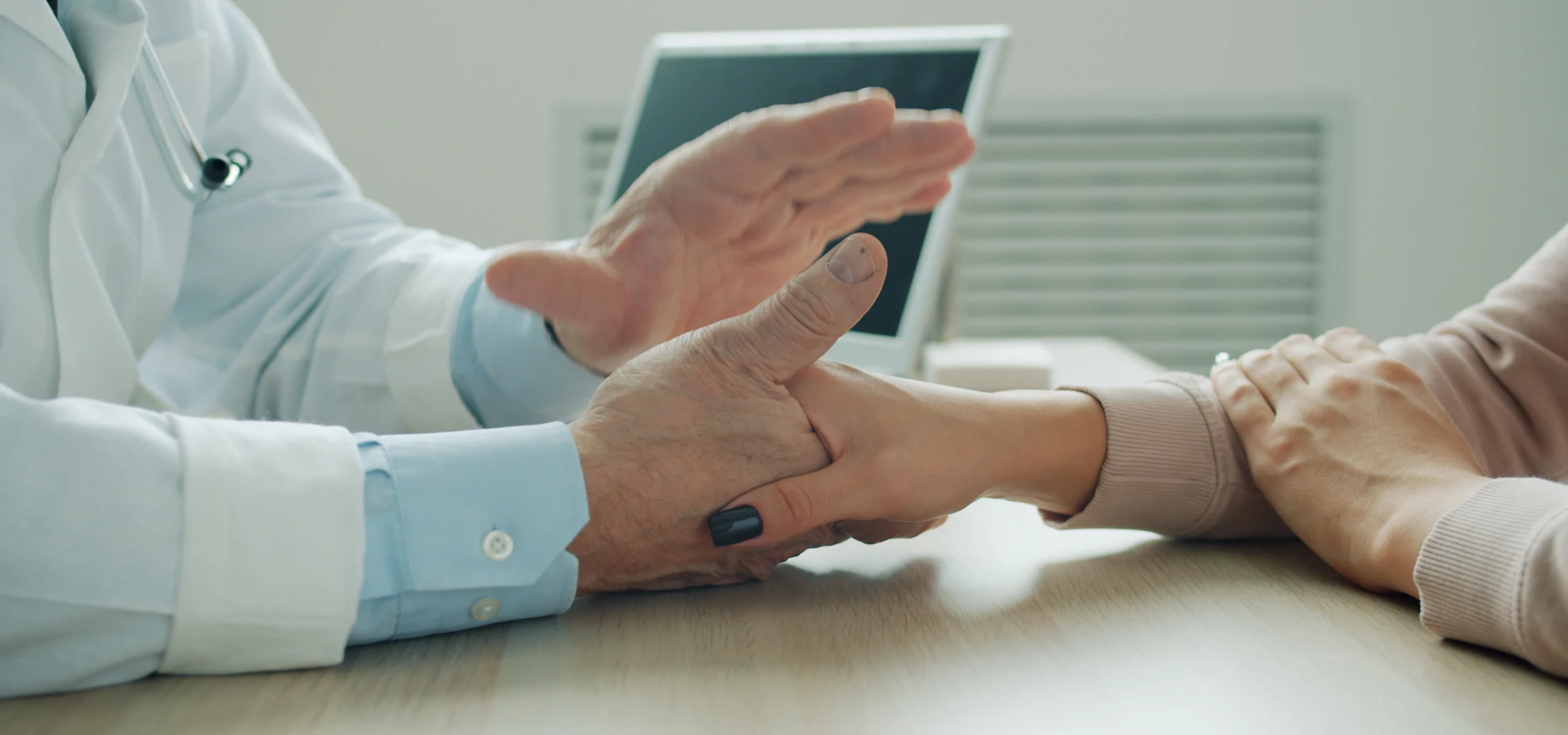
We are a coordinator, not a medical institution, and we do not make medical decisions. The oncologist reviews your documents, may ask for additional tests and explains which options could be considered. Any treatment plan is confirmed by the treating doctors after examination, often after discussion in a multidisciplinary team. We look after the practical side so that you can focus on your health.
The list below shows the most common requests. The doctor recommends the right option after reviewing your documents.
An oncologist studies your existing reports, scans and pathology results and gives a written opinion on the diagnosis and possible treatment options. This can usually start remotely from your documents.
Where needed, the original biopsy slides or tissue blocks may be re-examined, sometimes with additional immunohistochemical tests, to clarify the diagnosis.
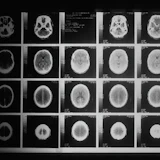
PET-CT, MRI and CT help to assess the extent of the disease or the response to treatment. The doctor decides which study is appropriate in your situation.
Image-guided or endoscopic biopsy obtains tissue for an accurate diagnosis, followed by histological and, where indicated, molecular testing.
Chemotherapy, targeted therapy or immunotherapy is given according to a plan agreed by the oncologist. If the treating doctors agree, part of a course may sometimes continue at home under local supervision.
Operations to remove tumours are planned after full staging, and the surgeon discusses the risks and the expected recovery with you beforehand.
Procedures
A second opinion can often be prepared from your records before you decide to travel, which saves time and avoids unnecessary journeys.
Interpreters and translated reports help you and your family understand each step, and you can ask questions at any time through your coordinator.
We provide translated summaries for your oncologist at home and help keep both teams informed when care continues after your trip.
Describe your condition and attach any reports, scans or test results you have.
A specialist studies your documents. You receive a treatment plan and a written cost estimate.
We book the clinic dates, help with the visa and arrange flights, hotel and transfers.
Your coordinator and interpreter are with you at every appointment.
You receive translated documents and stay in touch with your doctor online.
Included in our coordination
Send whatever you already have. If something is missing, the doctor will tell you what else is needed.
Often, yes. You send your medical records and images, we arrange translation where necessary, and an oncologist prepares a written opinion. If the doctor needs to examine you or repeat some tests, we explain why and help you plan a visit.
The time depends on the complexity of the case and on how complete the documents are. Once all records are received, we give you an expected timeframe and keep you informed. If something is missing, we tell you exactly what is needed.
No doctor can promise a particular outcome. The oncologist can explain the aims of each option, its possible benefits and side effects, and what is generally known about similar situations. We encourage you to ask questions and to take the time you need to decide.
Yes, a family member or companion can usually travel with you, and we help with visa support, accommodation and transfers for both of you. Having someone close at consultations is often helpful, and an interpreter can attend as well.
 Check-up and diagnostics
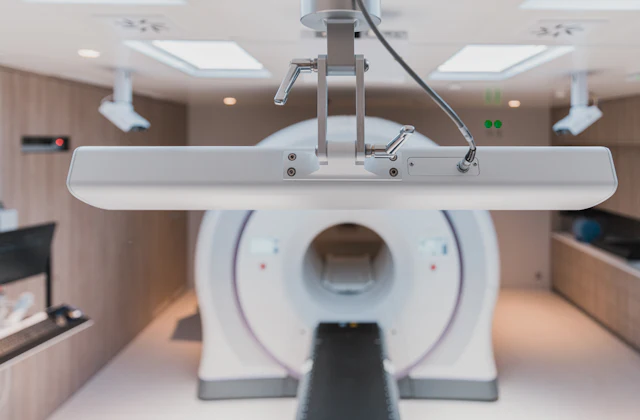
Full body check-up with MRI, CT and laboratory tests completed in one or two days.
Learn more
 Rehabilitation
Physiotherapy and recovery programmes after surgery, stroke and injuries.
Learn more
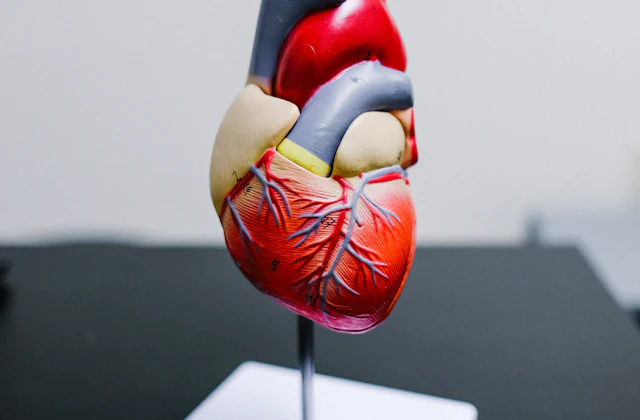 Cardiology
Heart diagnostics, coronary angiography, stenting and cardiac surgery.
Learn more
Tell us about your condition. A coordinator will reply in your language, and the specialist will review your documents.