


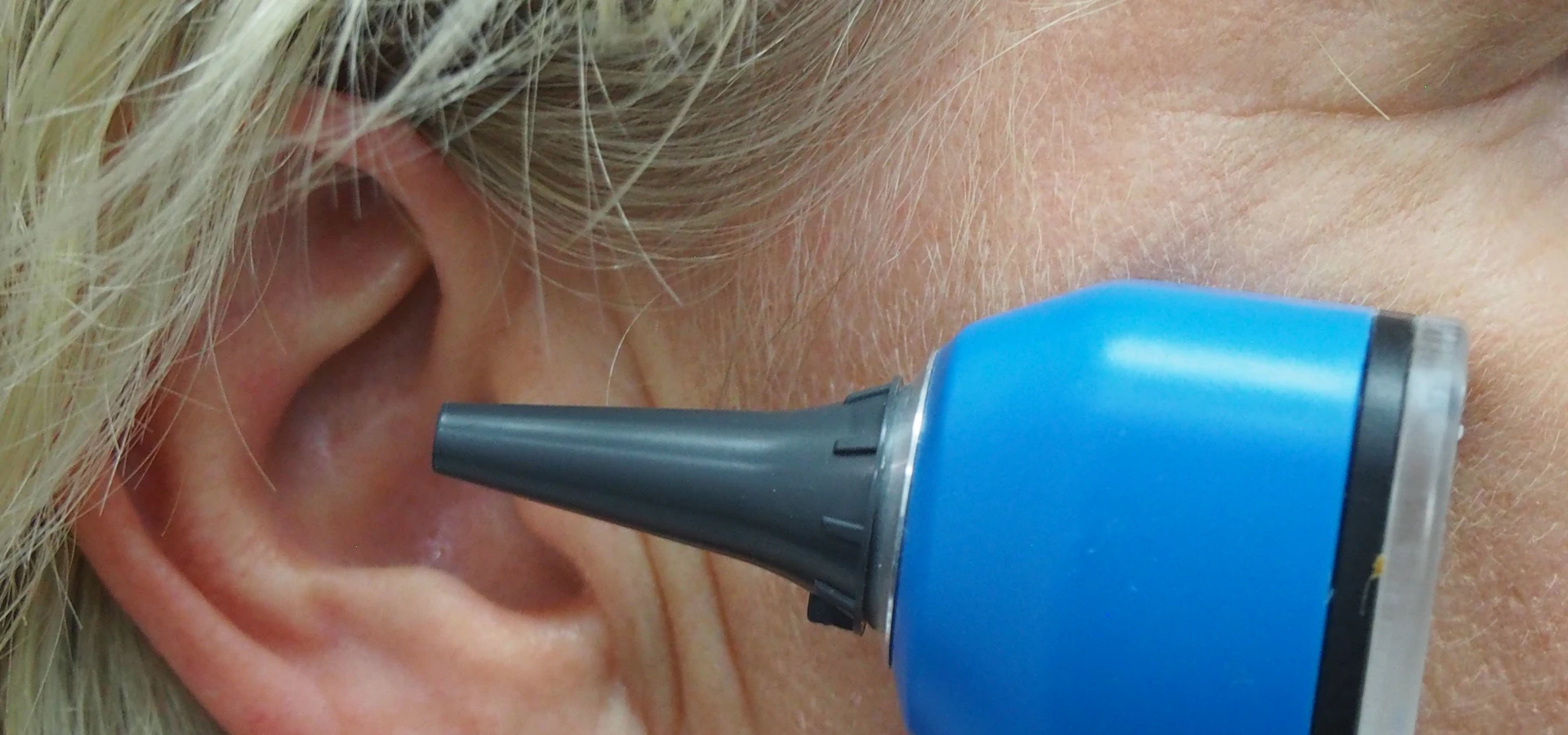
Septoplasty
Correction of a deviated nasal septum that makes breathing through the nose difficult. The operation is performed through the nostrils, so in most cases there are no visible scars.
Treatment in Azerbaijan
Septoplasty, tonsil removal, endoscopic sinus surgery and ENT examination with endoscopy.
Typical figures. The exact plan is confirmed by the treating doctor after the medical review.
ENT care in Azerbaijan covers the nose, the sinuses, the throat and the ears. Common reasons to travel are a deviated nasal septum that blocks breathing, chronic sinusitis or nasal polyps that keep returning, and repeated tonsillitis. Treatment takes place at licensed clinics in Baku, where ENT surgeons examine you, explain the options with the help of an interpreter and decide whether surgery is needed or other treatment is enough.
The process starts with your documents, such as a CT scan of the sinuses, reports from your ENT doctor and recent tests. The treating surgeon reviews them and suggests a preliminary plan, and we send you a written cost estimate before you decide. The surgeon confirms the final plan after examining you in person. We organise the visa, transfers, accommodation and interpreter, and stay in touch while you recover at home.
The list below shows the most common requests. The doctor recommends the right option after reviewing your documents.
Correction of a deviated nasal septum that makes breathing through the nose difficult. The operation is performed through the nostrils, so in most cases there are no visible scars.
Removal of the palatine tonsils after repeated or chronic tonsillitis or for other reasons the ENT surgeon confirms. For children, removal of the tonsils or adenoids is discussed with a paediatric ENT surgeon.
Surgery through the nose with an endoscope to open blocked sinuses in chronic sinusitis or to remove nasal polyps. It is considered when long-term medical treatment has not helped and the CT scan supports it.
An examination by an ENT doctor that may include endoscopy of the nose and throat, a hearing test and imaging when needed. It can be combined with a general health check-up in Baku.
When both the shape of the nose and breathing need correction, the two operations can sometimes be combined. Rhinoplasty is described in more detail in the aesthetic surgery section.
Not every case needs surgery. Depending on the diagnosis, the doctor may suggest medicines, nasal sprays, rinses and a follow-up plan instead.
Procedures
 SeptoplastyCorrection of a deviated nasal septum to improve breathing, planned after an ENT surgeon reviews your CT.
 TonsillectomyRemoval of the palatine tonsils after repeated or chronic tonsillitis, planned after an ENT surgeon reviews your history.
 Endoscopic sinus surgery (FESS)Endoscopic surgery through the nose for chronic sinusitis or nasal polyps, planned after an ENT surgeon reviews your CT.
 Paediatric ENTCare for enlarged adenoids, tonsils and repeated ear infections in children, planned by a paediatric ENT surgeon after an examination.
The treating ENT surgeon looks at your scans and reports before you travel. You know the proposed plan and the estimated cost before you commit.
We arrange the visa, transfers, accommodation and an interpreter in the clinic, so you can focus on the operation and recovery.
Most ENT operations need one to two weeks in Baku. The surgeon decides when it is safe to fly home, and follow-up continues remotely after you leave.
Describe your condition and attach any reports, scans or test results you have.
A specialist studies your documents. You receive a treatment plan and a written cost estimate.
We book the clinic dates, help with the visa and arrange flights, hotel and transfers.
Your coordinator and interpreter are with you at every appointment.
You receive translated documents and stay in touch with your doctor online.
Included in our coordination
Send whatever you already have. If something is missing, the doctor will tell you what else is needed.
It depends on the operation. After septoplasty or sinus surgery many patients stay about a week, until the first check and the removal of splints or packing. After tonsillectomy the stay is usually longer because bleeding can occur in the first two weeks. The surgeon decides when it is safe for you to fly.
The treating ENT surgeon makes this decision. The surgeon reviews your CT and reports first, then confirms the plan after examining you in person, usually with an endoscope. If surgery is not the right option, the doctor may suggest other treatment.
In many cases this is possible when both breathing and the shape of the nose need correction. The surgeon assesses your anatomy and explains whether a combined operation suits you. The recovery is then planned for both parts together.
Children travel only with a parent or legal guardian. Removal of the tonsils or adenoids in a child is discussed with a paediatric ENT surgeon, who decides after an examination whether the operation is needed and when it can be done.
 Aesthetic surgery
Rhinoplasty, eyelid surgery, body contouring and modern cosmetology.
Learn more
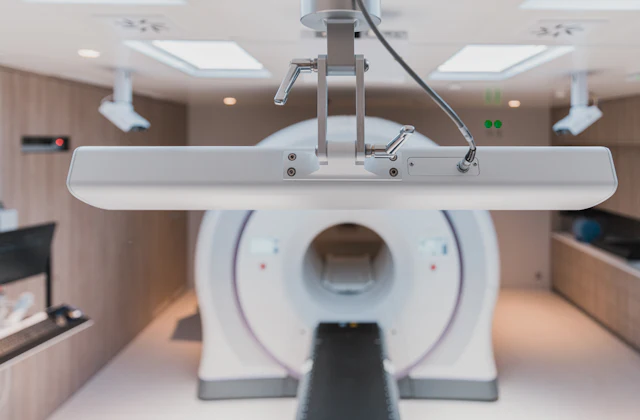 Check-up and diagnostics
Full body check-up with MRI, CT and laboratory tests completed in one or two days.
Learn more
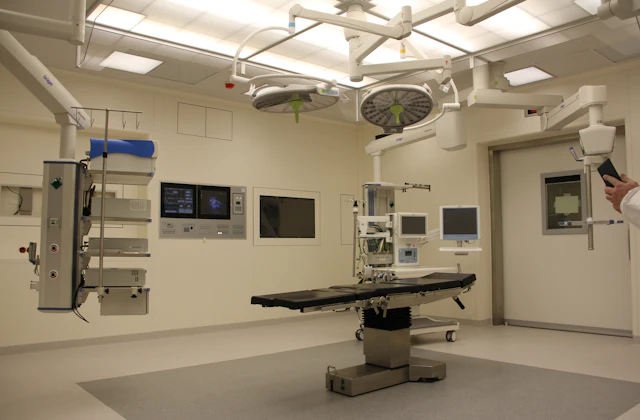 General and vascular surgery
Laparoscopic surgery, hernia repair, bariatric surgery, varicose veins and proctology.
Learn more
Tell us about your condition. A coordinator will reply in your language, and the specialist will review your documents.
Coming soon
The MedAzerbaijan app will be published on the App Store and Google Play after 5 November. Leave your phone number or email and we will let you know as soon as it is available.
We will let you know as soon as the app is published.