


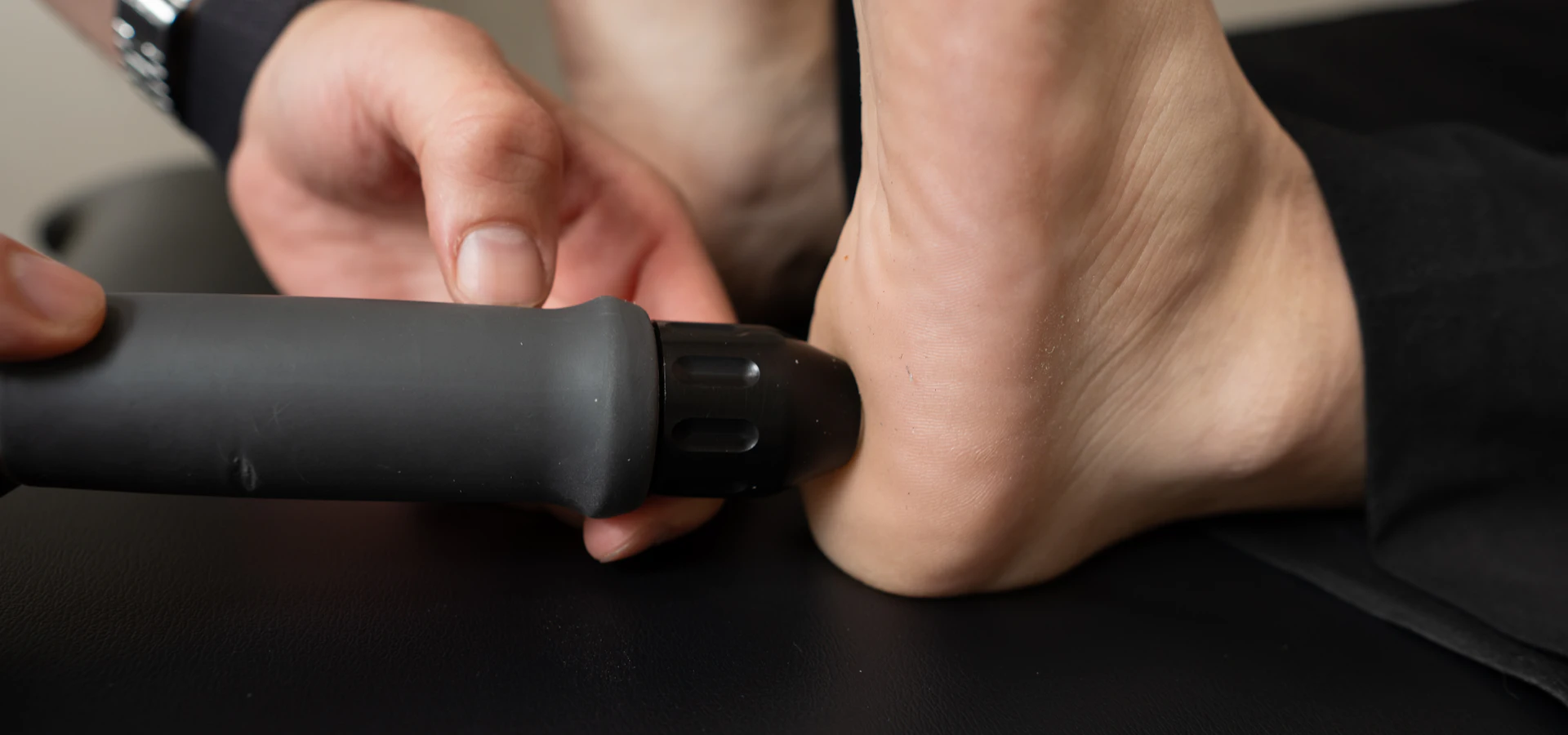
Condition
Heel spur and plantar fasciitis treatment in Baku
An orthopedic assessment, insoles, stretching and physiotherapy in Baku for heel pain caused by plantar fasciitis or a heel spur.
Pain under the heel that is worst with the first steps in the morning or after sitting is most often caused by plantar fasciitis, an irritation of the thick band of tissue that runs along the sole of the foot. A heel spur is a small bony outgrowth that an X-ray may show in the same place, but the spur itself is not always the source of the pain.
Most cases improve with conservative care over several months, and surgery is needed only rarely. In Baku an orthopedic surgeon examines the foot, may arrange an X-ray or ultrasound and then plans stretching, insoles and physiotherapy. Further options, such as injections or shock-wave therapy, may be considered as the doctor decides. We review your reports, send a written estimate and help with the visa, transfers and an interpreter.
Treatment options in Azerbaijan
Orthopedic assessment of the foot
An orthopedic surgeon examines the foot, checks where it hurts and how you walk, and may arrange an X-ray or ultrasound of the heel. The doctor then explains the likely cause of the pain and the treatment plan.
OrthopedicsStretching, insoles and physiotherapy
A physiotherapist teaches stretching exercises for the calf and the sole of the foot, and the doctor may advise insoles, heel pads and suitable shoes. Physiotherapy procedures may be added, but regular exercises at home matter most.
RehabilitationFurther options decided by the doctor
If pain continues despite this care, the doctor may consider further options, which may include injections or shock-wave therapy. The choice depends on the examination, and the clinic confirms which methods it offers. Surgery is considered only rarely.
Naftalan course as supportive care
Outside an acute phase, some patients with long-standing heel pain add a Naftalan course with local applications as supportive care. It does not remove a spur, and the resort physician decides after an examination whether it is suitable for you.
NaftalanWhere treatment takes place

Who it may suit
- Adults with heel pain that has lasted for several weeks or months
- People whose heel hurts most with the first steps in the morning or after rest
- Patients with a heel spur seen on an X-ray who want to know whether it causes the pain
- People who have tried insoles or exercises without enough relief and would like an orthopedic opinion
- Those who would like to combine a consultation in Baku with a course in Naftalan
When the trip should wait
- Heel pain after a fall or injury, especially if you cannot walk or put weight on the foot, needs urgent care at home first
- Redness, warmth, swelling or fever around the heel may be a sign of infection and should be checked by a doctor at home before any trip
- Numbness or tingling in the foot, or any wound on the foot in a person with diabetes, needs prompt care from your own doctor first
- Naftalan procedures are not prescribed for cancer, severe heart failure, blood disorders, acute infections or during pregnancy
The final decision is always made by the doctor after reviewing your documents.
Documents for the medical review
Send whatever you already have. If something is missing, the doctor will tell you what else is needed.
- X-ray of the foot or heel with the report, if it was done
- Ultrasound or MRI report of the foot, if you have one
- A short description of when the pain started, where it is felt and what makes it worse
- Reports from previous doctors and a list of treatments you have already tried, such as insoles or injections
- Information about diabetes, blood pressure or other chronic conditions and a list of current medicines
- Passport copy for the visa and booking
Frequently asked questions
Is a heel spur always the cause of heel pain?
Not always. Many people have a heel spur on an X-ray without any pain, and many people with heel pain have no spur at all. The pain is usually linked to plantar fasciitis, an irritation of the tissue band on the sole of the foot. The orthopedic surgeon looks at the examination and imaging together before suggesting treatment.
How is a heel spur treated?
Treatment usually starts without surgery. It relies on stretching exercises, insoles or heel pads, suitable shoes, less time standing on hard floors and physiotherapy, with medicines for pain if the doctor advises them. Improvement often takes several months. A consultation with imaging usually fits into one or two days, and the doctor confirms the plan.
Is shock-wave therapy used for a heel spur?
Shock-wave therapy is one of the options a doctor may consider when heel pain continues despite exercises and insoles. It is not usually the first step. Whether it suits you depends on the examination, and we confirm in advance whether the chosen clinic offers this method.
Can Naftalan help with heel pain?
Naftalan applications are traditionally used at Azerbaijani resorts for joint and soft tissue complaints, and some patients with long-standing heel pain use a course as supportive care. Evidence is limited, a course does not remove a spur and results vary. It is planned outside an acute phase and only if the resort physician finds it suitable.
What if I have diabetes and my heel hurts?
In people with diabetes, foot pain together with numbness, a change in skin colour or any wound may be a sign of a diabetic foot problem, which needs prompt care from your own doctor. Please mention diabetes when you send your documents. A trip for heel pain is planned only once wounds or infection have been ruled out or treated.
Related treatment areas
Other conditions
Send your reports and receive a treatment plan
Tell us about your condition. A coordinator will reply in your language, and the specialist will review your documents.