


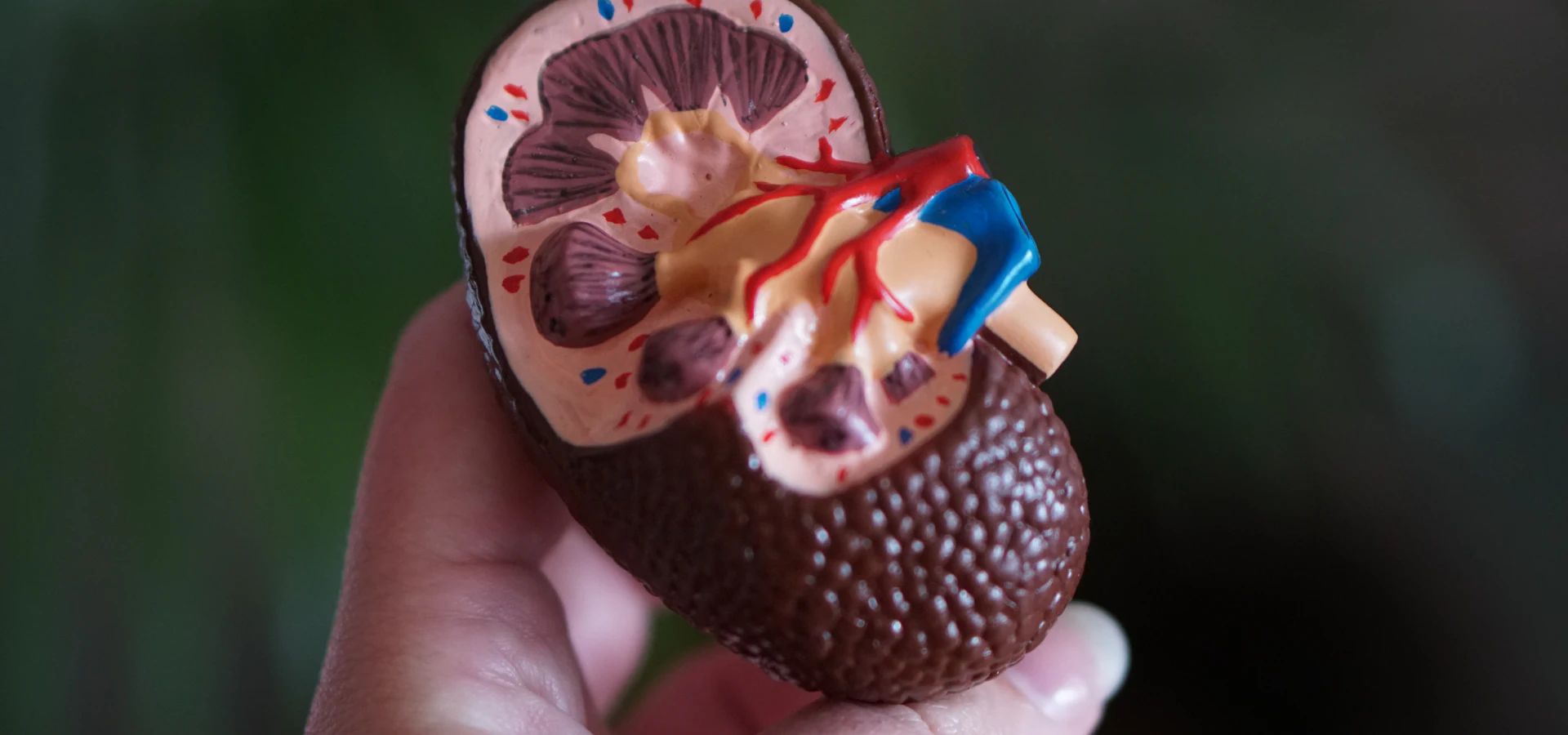
Procedure in Azerbaijan
Kidney stone removal in Azerbaijan
Removal of kidney and ureter stones by shock wave lithotripsy, laser ureteroscopy or keyhole surgery after a CT scan.
Typical figures. The exact plan is confirmed by the treating doctor after the medical review.
Kidney stone removal in Azerbaijan is carried out at licensed clinics in Baku by urologists. The method depends on the size, position and density of the stone. Smaller stones may be broken up from outside the body with shock wave lithotripsy, stones in the ureter or kidney are often reached with a thin ureteroscope and fragmented by laser, and large stones may need percutaneous nephrolithotomy.
A CT scan without contrast usually comes first, because it shows the stones most precisely. You send your scans and reports, the urologist gives a preliminary opinion, and we prepare a written cost estimate before you travel. The method is confirmed after examination in Baku. MedAzerbaijan is a coordinator, not a clinic, so we organise transfers, accommodation and an interpreter and stay in touch after you return home.
Who it may suit
- People with kidney or ureter stones confirmed on CT or ultrasound
- Those with recurring renal colic or stones that do not pass on their own
- Patients whose stone blocks the flow of urine or causes repeated infections, once the acute situation is under control
- People with large or multiple stones that need planned removal
- Patients whose general health allows the procedure, as confirmed by the doctors
How the procedure is organised
-
1
Review of your scans
You send CT or ultrasound results, urine and blood tests and reports from your doctor. The urologist gives a preliminary opinion, and we prepare a written cost estimate so that you can decide calmly.
-
2
Examination in Baku
The urologist examines you and may repeat the CT scan and tests. A urinary infection is usually treated before any stone removal.
-
3
Choosing the method
Depending on the stone, the doctor may suggest shock wave lithotripsy, ureteroscopy with laser or percutaneous nephrolithotomy. The urologist explains why this option suits your case.
-
4
Treatment day
Lithotripsy is often done without a hospital stay. Ureteroscopy and percutaneous surgery are carried out under anaesthesia, sometimes with a short stay in hospital.
-
5
Stent and check before flying home
After some procedures a thin temporary stent is left in the ureter. The urologist explains when and where it will be removed and confirms when travelling is safe.
-
6
Prevention at home
Analysis of the stone helps the doctor advise on diet, fluids and further tests to lower the risk of new stones. We pass your questions to the urologist and can arrange remote follow-up.
What the cost depends on
The cost of kidney stone removal is calculated individually. It depends on the method, the size and number of stones, the type of anaesthesia, whether a stent is needed and how long you stay in hospital. After the urologist reviews your scans, we send you a written estimate before you travel, so you know in advance what is included.
- The method of stone removal
- CT scan and other tests before treatment
- Anaesthesia and the hospital stay
- Placement and removal of a stent, if needed
- Stone analysis and follow-up visits
Recovery and the trip home
- Some blood in the urine and mild discomfort are common for several days after treatment.
- Drinking plenty of water helps small fragments pass, and the doctor may prescribe medicines to make this easier.
- A stent may cause frequent urination or discomfort until it is removed, and it must not stay in longer than the doctor advises.
- Most people return to light activities within one to two weeks, and the urologist decides when you can fly home.
Included in our coordination
- Personal coordinator
- Medical review
- Interpreter at the clinic
- Visa and invitation
- Airport and clinic transfers
- Accommodation
- Support for companions
- Follow-up at home
Documents for the medical review
Send whatever you already have. If something is missing, the doctor will tell you what else is needed.
- A recent CT scan of the kidneys and urinary tract, ideally without contrast, with the images on a disc or as a link
- Ultrasound reports, if you have them
- Recent urine and blood tests, including kidney function
- Results of previous stone analysis, if any
- A list of your current medicines, especially blood thinners, and any allergies
- Information about chronic conditions and previous operations
Frequently asked questions
How much does laser kidney stone treatment cost in Baku?
The cost depends on the method, the size and number of stones, the anaesthesia and whether a stent is needed. After the urologist reviews your CT scan, we send you a written estimate before you travel. This way you know in advance what is included.
Which method will I need?
This depends on the size, position and density of the stone and on the anatomy of your urinary tract. Shock wave lithotripsy suits some smaller stones, laser ureteroscopy is widely used for stones in the ureter and kidney, and large stones may need percutaneous surgery. The urologist decides after reviewing your CT scan.
What is a stent and why must it be removed?
A stent is a thin soft tube placed between the kidney and the bladder to keep urine flowing after some procedures. It is temporary and is usually removed after days or weeks, either in Baku or by a urologist at home. The doctor gives you the exact date in writing.
When is urgent care needed instead of a planned trip?
Fever with kidney pain, severe pain that medicines do not control or very little urine can be signs of a blocked or infected kidney. In such cases please seek emergency care at home straight away. A planned trip is arranged only once your condition is stable.
Can kidney stones come back?
Yes, stones often tend to form again, so treatment does not end with their removal. Analysis of the stone, blood and urine tests and advice on fluids and diet help lower the risk. The urologist explains which checks are useful for you.
Related procedures
Send your reports and receive a treatment plan
Tell us about your condition. A coordinator will reply in your language, and the specialist will review your documents.