


Procedure in Azerbaijan
Heart valve surgery in Azerbaijan
Repair or replacement of a narrowed or leaking heart valve, planned by a cardiac team on the basis of your echocardiography and other tests.
Typical figures. The exact plan is confirmed by the treating doctor after the medical review.
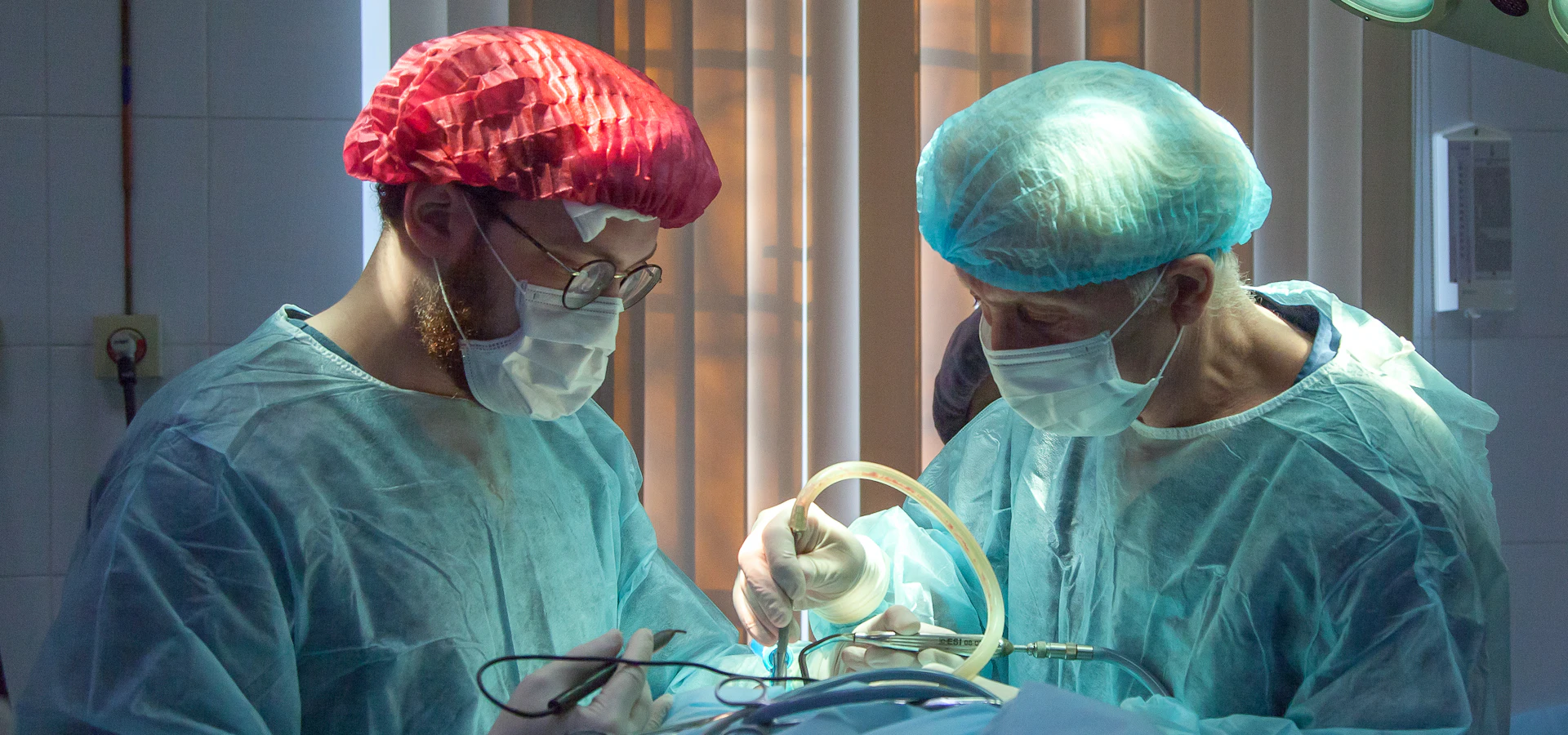
Heart valve surgery in Azerbaijan is carried out at licensed clinics in Baku by cardiac surgeons together with cardiologists. A narrowed or leaking valve is either repaired, keeping your own valve, as in mitral valve repair, or replaced with a mechanical or biological prosthesis, as in aortic valve replacement. This is usually open surgery. Less invasive or catheter-based options such as TAVI may be discussed where appropriate, and the team decides after examination.
This is major surgery and usually requires about three weeks in Azerbaijan, so we strongly recommend travelling with a companion. You send your echocardiography and cardiology reports, the cardiac team gives a preliminary opinion and we prepare a written estimate. Fainting, chest pain or rapidly worsening breathlessness need urgent care at home, and the trip waits until you are stable. MedAzerbaijan is a coordinator, not a clinic.
Who it may suit
- People with aortic stenosis or another narrowed valve causing breathlessness, chest pain or dizziness
- Patients with a leaking mitral, aortic or tricuspid valve that affects heart function
- People advised to have valve surgery at home who would like the cardiac team in Baku to review their case
- Patients with a previously operated valve that no longer works well, if the team considers further surgery appropriate
- Patients who are stable and fit to fly, as confirmed by their doctors
How the procedure is organised
-
1
Review of your echocardiography
You send a recent echocardiography report with your cardiology letters and, if available, coronary angiography or CT. The cardiac team assesses the valve and whether repair or replacement is likely, and we prepare a written estimate.
-
2
Dental check and preparation
Teeth and gums should be checked before valve surgery, because an infection can spread to the new or repaired valve. Any dental treatment is ideally completed before travelling, as your dentist and the team advise.
-
3
Examination in Baku
You have blood tests, an ECG, repeat echocardiography and, where needed, coronary angiography or other scans, and the anaesthetist assesses you. The surgeon confirms the plan and the type of prosthesis, if one is needed, after this.
-
4
Surgery and intensive care
The operation is done under general anaesthesia. The first day or two are usually spent in intensive care, and an interpreter helps you and your companion communicate with the team.
-
5
Ward and rehabilitation
On the ward you begin breathing exercises and walking, and the team checks the heart rhythm, the wound and the valve on echocardiography. After discharge, activity increases gradually until the doctors confirm that the flight is safe.
-
6
Follow-up at home
You receive a discharge summary in Russian or English with your medicine plan, including blood thinners if they are prescribed. We pass your questions to the team and can arrange remote consultations.
What the cost depends on
The cost of heart valve surgery is calculated individually. It depends on whether the valve is repaired or replaced, the type of prosthesis, the length of the intensive care and ward stay, and the tests before surgery. After the cardiac team reviews your documents, we send a written estimate before you travel, including accommodation for your companion if you wish.
- Valve repair or replacement
- Mechanical or biological prosthesis, if needed
- Intensive care and ward stay
- Tests before surgery, including angiography if required
- Accommodation for a companion
Recovery and the trip home
- After open surgery the breastbone takes around two to three months to heal, and during this time the surgeon limits lifting and driving.
- A mechanical valve requires lifelong anticoagulant medicine with regular blood tests to check clotting, while after a biological valve or repair such medicine may be needed only for a limited time, as the team decides.
- Before future dental treatment or other procedures, tell the doctor about your valve, because preventive antibiotics may be advised.
- The doctors decide when the return flight is safe, which is usually about two to three weeks after the operation.
Included in our coordination
- Personal coordinator
- Medical review
- Interpreter at the clinic
- Visa and invitation
- Airport and clinic transfers
- Accommodation
- Support for companions
- Follow-up at home
Documents for the medical review
Send whatever you already have. If something is missing, the doctor will tell you what else is needed.
- Echocardiography report, with a recording on disc if available
- ECG and Holter results
- Coronary angiography or CT of the heart, if done
- Cardiologist letters and any previous hospital discharge summaries
- Recent blood tests and a list of all medicines with doses
- A note from your dentist confirming that the teeth have been checked, if possible
Frequently asked questions
What is the difference between a mechanical and a biological valve?
A mechanical valve is very durable but requires lifelong blood thinning medicine with regular tests. A biological valve usually does not need lifelong anticoagulation, but it may wear out over the years and need further treatment. The cardiac team discusses the choice with you, considering your age, health and lifestyle.
Is aortic valve replacement possible without open surgery?
For some patients, especially older people with aortic stenosis, a catheter-based procedure such as TAVI may be considered. Whether it is appropriate and possible in your case is discussed by the cardiac team after reviewing your tests. For many patients open surgery remains the usual approach.
When is mitral valve repair considered?
Repair keeps your own valve and is frequently considered for a leaking mitral valve, depending on how the valve is damaged. The surgeon decides during planning, and sometimes during the operation itself, whether repair is achievable or replacement is needed, and explains this to you in advance.
How long will I stay, and should someone come with me?
Usually about three weeks, covering the examination, surgery, intensive care, the ward and the first stage of rehabilitation. We strongly recommend a companion, because help is needed in the first weeks, and we can arrange accommodation nearby and include it in the estimate. The team confirms the timing.
Can I discuss valve surgery in Baku in Russian?
Yes. Many doctors in Azerbaijan speak Russian, and an interpreter is available whenever needed. Before travelling you can also book an online consultation with the cardiac surgeon to ask your questions.
Related procedures
 Heart bypass surgery
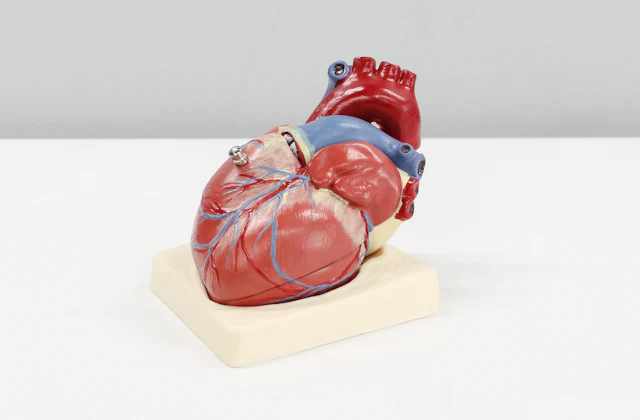
Coronary artery bypass grafting, planned by a cardiac team after reviewing your angiography and tests.
Learn more
 Catheter ablation for arrhythmia
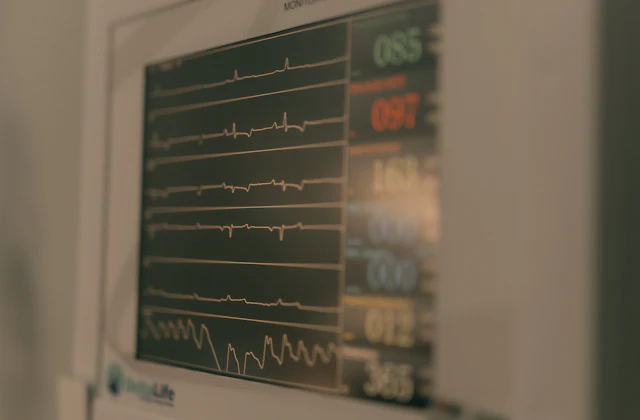
An electrophysiology study and catheter ablation for certain heart rhythm disorders, planned after a cardiologist reviews your ECG and Holter results.
Learn more
Send your reports and receive a treatment plan
Tell us about your condition. A coordinator will reply in your language, and the specialist will review your documents.