


Procedure in Azerbaijan
Bariatric surgery in Azerbaijan
Sleeve gastrectomy or gastric bypass for severe obesity, planned after a multidisciplinary assessment.
Typical figures. The exact plan is confirmed by the treating doctor after the medical review.
Bariatric surgery in Azerbaijan is performed at licensed clinics in Baku by surgeons. The two most common operations are sleeve gastrectomy, which reduces the size of the stomach, and gastric bypass, which also changes the route of food through the intestine. Surgery is considered for severe obesity, especially with diabetes or other related conditions, when diet and exercise have not been enough.
Before any decision, the surgeon, an endocrinologist or therapist, a dietitian and often a psychologist assess your health. The surgeon decides whether you meet the criteria and which operation suits you. We send you a written cost estimate before you travel, organise transfers, accommodation and an interpreter, and help you keep in touch with the team, because follow-up after bariatric surgery is lifelong.
Who it may suit
- Adults with severe obesity whose body mass index meets the criteria the surgeon applies under current guidelines
- People with obesity combined with type 2 diabetes, high blood pressure, sleep apnoea or joint problems
- Those who have tried diet, exercise and medical treatment without lasting results
- Patients ready to change their eating habits and attend lifelong follow-up
- Patients whose general health allows surgery under anaesthesia, as confirmed by the doctors
How the procedure is organised
-
1
Review of your medical history
You send your weight and height, test results and reports on related conditions, and the surgeon gives a preliminary opinion. We then prepare a written cost estimate so that you can decide calmly.
-
2
Multidisciplinary assessment in Baku
After arrival you have blood tests, an abdominal ultrasound, a gastroscopy and consultations with the surgeon, an endocrinologist or therapist, a dietitian and an anaesthetist. The surgeon confirms the type of operation only after this assessment.
-
3
Surgery day
The operation is usually performed laparoscopically under general anaesthesia. An interpreter is available, and we keep your family informed if you wish.
-
4
First days in hospital
You start walking on the day of surgery or the next day and drink small amounts of liquid as the team allows. Doctors monitor you closely and take measures to prevent blood clots.
-
5
Diet plan and check before flying home
The dietitian explains the stages of the diet, from liquids to soft and then normal food over several weeks. Before the flight the surgeon examines you and confirms that travelling is safe for you.
-
6
Lifelong follow-up
You receive a discharge summary in Russian or English, a diet plan and a list of vitamins and supplements. We pass your questions to the team and can arrange remote consultations, while regular blood tests continue at home.
What the cost depends on
The cost of bariatric surgery is calculated individually and depends on the type of operation, the clinic, the tests and consultations before surgery and the length of the hospital stay. Once the surgeon has reviewed your documents, we send you a written estimate before you travel. It shows what is included, so you can plan your budget in advance.
- Type of operation, sleeve gastrectomy or gastric bypass
- The clinic and the surgical team
- Tests, gastroscopy and consultations before surgery
- Length of the hospital stay
- Dietitian consultations and accommodation for a companion
Recovery and the trip home
- Flying home is usually possible about ten days to two weeks after surgery, but the surgeon decides and advises on preventing blood clots during the flight.
- The diet moves gradually from liquids to soft and then normal food over about six to eight weeks, following the plan from the dietitian.
- Vitamin and mineral supplements are usually needed for life, especially after gastric bypass, and regular blood tests help to detect deficiencies early.
- Most people return to office work in about two to four weeks, and weight loss continues gradually over the following year or two with lasting changes in eating and activity.
Included in our coordination
- Personal coordinator
- Medical review
- Interpreter at the clinic
- Visa and invitation
- Airport and clinic transfers
- Accommodation
- Support for companions
- Follow-up at home
Documents for the medical review
Send whatever you already have. If something is missing, the doctor will tell you what else is needed.
- Your current weight and height and a short history of attempts to lose weight
- Recent blood tests, including glucose or HbA1c, lipids and thyroid hormones
- Reports on related conditions such as diabetes, high blood pressure or sleep apnoea
- Results of gastroscopy and abdominal ultrasound, if you have them
- A list of your current medicines and any allergies
- Information about previous operations, especially on the abdomen
Frequently asked questions
How much does a sleeve gastrectomy cost in Azerbaijan?
The cost depends on the type of operation, the clinic, the tests before surgery and the hospital stay. After the surgeon reviews your documents, we send you a written estimate before you travel. This way you know in advance what is included.
Who decides whether I can have bariatric surgery?
The surgeon decides after a multidisciplinary assessment. Body mass index matters, but the team also looks at related conditions, previous attempts to lose weight, general health and readiness for lifelong follow-up. If the operation is not suitable, the doctors may suggest other treatment.
What is the difference between a sleeve and a bypass?
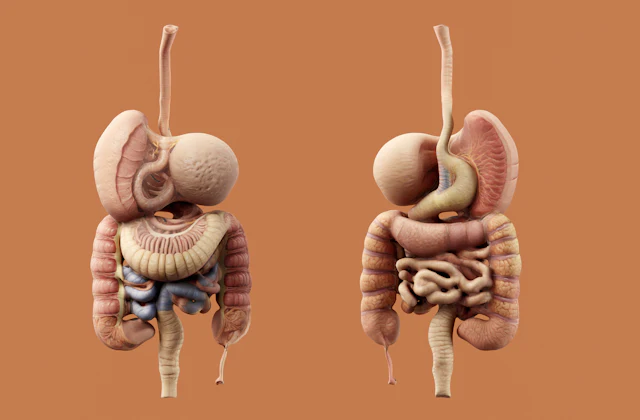
A sleeve gastrectomy removes a large part of the stomach and leaves a narrow tube. A gastric bypass creates a small stomach pouch and connects it to the small intestine. The surgeon explains the benefits and risks of each and recommends one based on your health, for example reflux or diabetes.
When is bariatric surgery not advised or should wait?
Surgery is usually postponed or not advised during pregnancy, with uncontrolled psychiatric conditions, alcohol or drug dependence, and some severe heart, lung or liver diseases. Women are usually advised to avoid pregnancy for at least a year after surgery. The doctors assess each case individually.
What happens after I return home?
You receive a discharge summary in Russian or English, a diet plan and a list of supplements. We stay in touch, pass your questions to the team and can arrange remote consultations. Regular blood tests and check-ups continue at home, ideally with a local doctor who knows about the operation.
Send your reports and receive a treatment plan
Tell us about your condition. A coordinator will reply in your language, and the specialist will review your documents.