


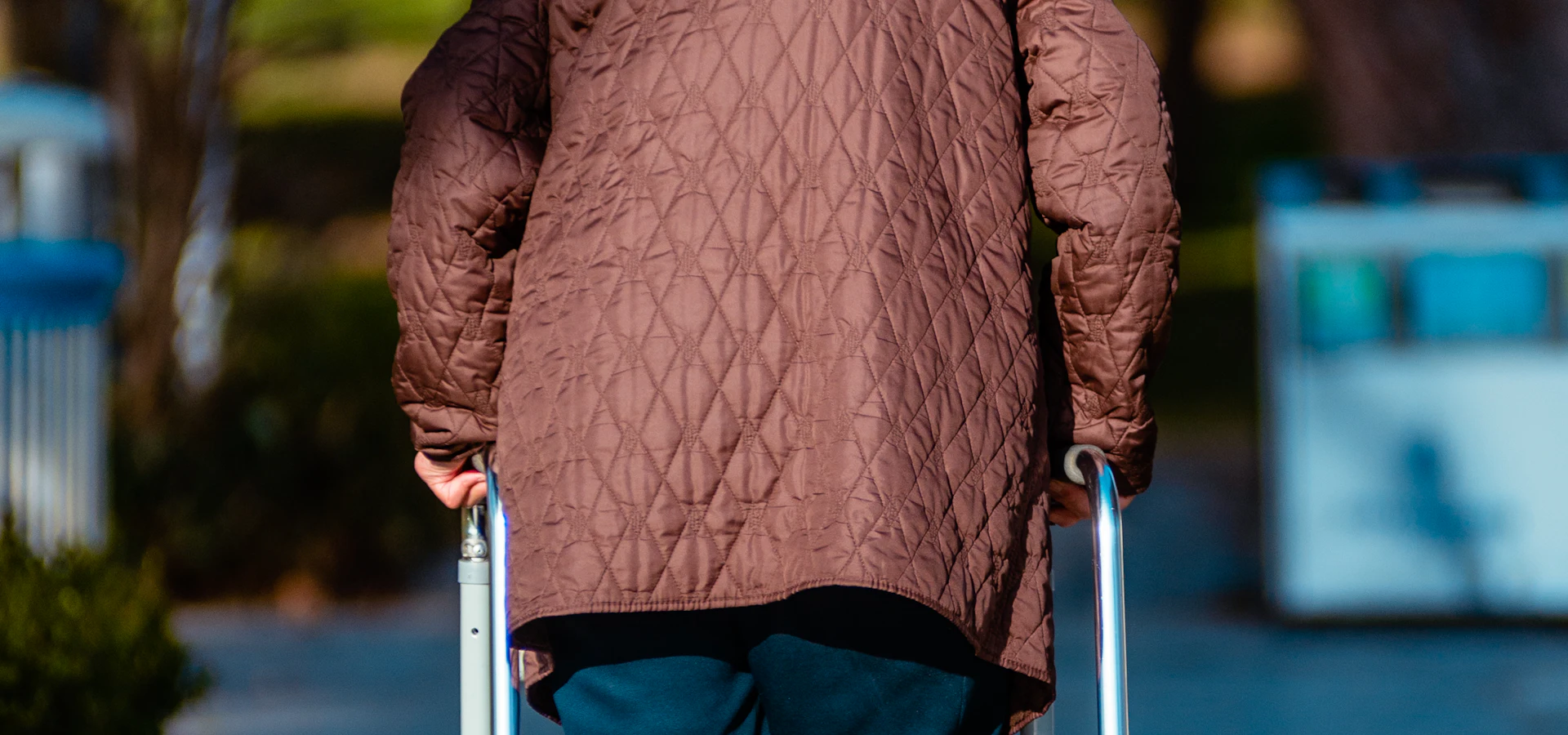
Procedure in Azerbaijan
Rehabilitation after stroke and spinal cord injury in Azerbaijan
A programme of several weeks with a neurologist, a rehabilitation physician and therapists after a stroke or spinal cord injury, once the patient is stable.
Typical figures. The exact plan is confirmed by the treating doctor after the medical review.
Neurorehabilitation in Azerbaijan after a stroke or spinal cord injury takes place at specialised rehabilitation centres and hospital neurology units in Baku. A neurologist and a rehabilitation physician assess the patient first, and the programme then combines physiotherapy, occupational therapy and speech therapy, with a psychologist where available. Goals such as sitting, walking, hand use, speech or self-care are agreed with the patient and family. Progress is individual and cannot be promised in advance.
One course usually lasts two to four weeks, and further courses are planned if the team advises them. The trip goes ahead only when the treating doctor confirms that the patient is medically stable and fit to fly, and a relative or carer should travel too. We review the discharge summary and scans, send a written estimate and arrange an interpreter, accessible transfers and suitable accommodation. MedAzerbaijan is a coordinator, not a clinic.
Who it may suit
- People in the recovery period after a stroke, once the acute stage is over and the condition is stable
- Patients with weakness or loss of movement after a spinal cord injury or spine surgery, once the spine is stable
- People with difficulties in walking, balance, hand use, speech or swallowing
- Those who have completed hospital treatment and whose doctors recommend a further intensive course
- Patients whose treating doctor confirms that a flight is safe and who can travel with a relative or carer
How the procedure is organised
-
1
Review of medical documents
You send the discharge summary, MRI or CT of the brain or spine, a recent neurologist report and a short video of how the patient moves. The neurologist and rehabilitation physician give a preliminary opinion, and we prepare a written estimate.
-
2
Confirmation that travel is safe
The treating doctor at home confirms that the patient is medically stable and fit to fly. We then agree the dates in advance, arrange transfers and accommodation suited to the patient's mobility and plan who will accompany the patient.
-
3
Assessment on arrival
The neurologist and rehabilitation physician examine the patient, review medicines and assess movement, balance, swallowing and speech. Many doctors in Azerbaijan speak Russian, and an interpreter is available if needed. Goals for the course are agreed with the patient and family after this assessment.
-
4
Daily therapy sessions
The programme usually includes physiotherapy, occupational therapy for hand function and daily tasks and speech therapy where needed, with support from a psychologist where available. The team adjusts the load to how the patient copes.
-
5
Training for the family
The relative or carer learns safe transfers, positioning and the exercises to continue at home. At the end of the course the team reviews progress and confirms that the return flight is safe.
-
6
Follow-up at home
You receive a discharge summary in Russian or English with a home exercise plan. We pass your questions to the team, can arrange remote consultations and help plan a repeat course if the doctors recommend one.
What the cost depends on
The cost of neurorehabilitation is calculated individually. It depends on the centre, the length of the course, the number and type of daily sessions, the level of nursing care the patient needs and the accommodation for the companion. After the team reviews the documents, we send a written estimate before you travel, so the family can plan each course in advance.
- The centre and the members of the rehabilitation team
- Length of the course and number of sessions per day
- Nursing care and help with daily needs
- Transfers suited to the mobility of the patient
- Accommodation for the relative or carer
Recovery and the trip home
- Recovery after a stroke or spinal cord injury is gradual, and its pace and extent differ greatly from one person to another.
- Regular exercise at home between courses matters as much as the course itself, and the family plays a central role in it.
- Some patients return for repeat courses over the following months if the team considers it useful.
- Sudden new weakness, numbness, a drooping face or slurred speech is an emergency and needs immediate care at home, not a trip.
Included in our coordination
- Personal coordinator
- Medical review
- Interpreter at the clinic
- Visa and invitation
- Airport and clinic transfers
- Accommodation
- Support for companions
- Follow-up at home
Documents for the medical review
Send whatever you already have. If something is missing, the doctor will tell you what else is needed.
- Hospital discharge summary with the diagnosis and the date of the stroke or injury
- MRI or CT of the brain or spine with the reports
- A recent neurologist report and a list of current medicines with doses
- Operation report, if the spine was operated on
- A short description or video of what the patient can do now
- Information about blood pressure, heart conditions, skin, bladder and bowel care, where relevant
Frequently asked questions
How soon after a stroke or spinal cord injury can the patient travel?
There is no fixed period. The treating doctor at home must confirm that the patient is medically stable and fit to fly, and the team in Baku reviews the documents. Dates are then planned in advance. Any new weakness, speech problems or other stroke signs need emergency care at home without delay.
Do you arrange rehabilitation after spinal cord injury?
Yes, once the spine is stable and the treating surgeon or neurologist allows active rehabilitation. The programme may work on strength, sitting balance, transfers, wheelchair skills or walking where possible, and includes advice on skin, bladder and bowel care. Realistic goals are agreed after the examination.
What does a stroke recovery programme include?
A programme usually combines physiotherapy, occupational therapy and speech therapy, with a psychologist where available, under the supervision of a neurologist and a rehabilitation physician. After the examination the team decides how many sessions the patient can manage each day, and the family is shown how to continue the work at home.
Who should travel with the patient?
A relative or carer should come, because the patient may need help with daily care, and the companion learns the exercises for home. We look for accessible accommodation for both of you near the centre and include it in the estimate.
How much does rehabilitation after a stroke in Baku cost?
The cost depends on the centre, the length of the course, the number of sessions, the nursing care needed and the accommodation. After the team reviews the documents, we send a written estimate for each course before you travel. You can also book an online consultation with a doctor first.
Related procedures
 Spine surgery
Microdiscectomy, decompression or stabilisation of the spine when conservative treatment has not helped enough.
Learn more
 Rehabilitation after joint replacement
A physiotherapy programme after knee or hip replacement, either straight after surgery in Baku or later after an operation done at home.
Learn more
Send your reports and receive a treatment plan
Tell us about your condition. A coordinator will reply in your language, and the specialist will review your documents.