Naftalan for psoriasis, what to know before you travel
Naftalan is traditionally used for chronic plaque psoriasis outside an acute flare. Some patients notice less scaling and itching after a course, but results vary, may not last and the scientific evidence is limited. Here we explain how a course is organised, who it may suit, who should wait and which questions are worth asking the resort physician.
In brief
- Naftalan is a traditional option for chronic plaque psoriasis outside an acute flare.
- Some patients report less scaling and itching, but results vary and may not last.
- Scientific evidence is limited and there are no large randomised trials.
- The resort physician decides on the course only after an examination.
How Naftalan is traditionally used for psoriasis
Naftalan is a rare heavy oil from western Azerbaijan, rich in naphthenic hydrocarbons. Its medicinal use became known in the late 19th century, an ointment plant was built in 1926 and research on its effects began in 1928. The town of Naftalan is the historic home of this therapy, and skin conditions, psoriasis in particular, have long been among its traditional indications.
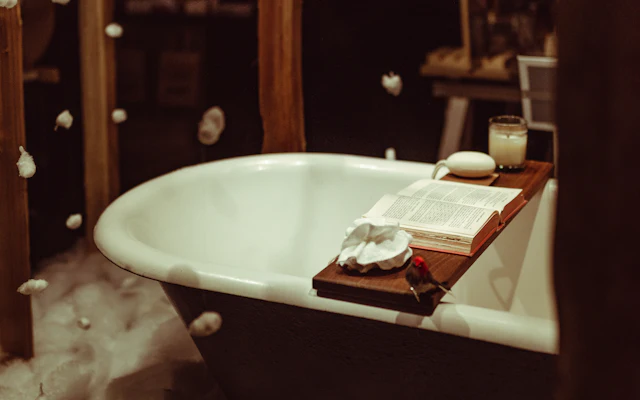
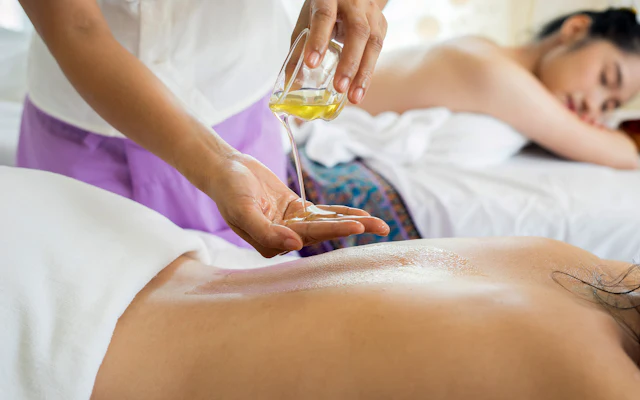
For psoriasis the resort usually combines warm Naftalan baths of a few minutes at about 36 to 38 °C with local applications to the plaques and refined Naftalan ointments. The resort physician chooses the methods, the duration of each procedure and the number of sessions after examining your skin. Refined Naftalan ointments are also sold in pharmacies, but whether to use them at home is a question for your dermatologist.
What patients may notice
Some patients with chronic plaque psoriasis report that after a course the plaques scale less, the skin feels softer and itching is weaker. Others notice little change. The response depends on the form and extent of psoriasis, the stage of the disease, other treatment and individual factors, so it is impossible to predict the result in advance.
Psoriasis is a chronic condition, and any improvement after a course may be temporary. A Naftalan course does not replace regular care by your dermatologist. Like any procedure, it can also irritate the skin in some people, which is one reason why the physician watches how your skin reacts during the first sessions. It is usually wiser to judge the effect over the following weeks, together with your dermatologist, than on the last day of the course.
Send your medical documents and we will prepare a plan and a written estimate before the trip.
What science says
Scientific evidence on Naftalan is limited. There are small studies in patients and laboratory and animal studies, but no large randomised trials. These studies suggest possible anti-inflammatory effects, yet they are not enough to say how well Naftalan works for psoriasis compared with standard treatment.
Crude Naftalan oil contains polycyclic aromatic compounds, some of which are potentially harmful. Refining removes them, which is why pharmacy products use refined Naftalan, and why baths with crude oil are given only for a limited time under medical supervision. This is also why we describe Naftalan with caution and avoid promises.
Who it may suit and who should wait
Naftalan is usually considered for adults with stable chronic plaque psoriasis outside an acute flare. A severe or widespread flare is best treated first at home with your dermatologist. If you take systemic medicines or biological therapy, do not stop or change them before the trip without your dermatologist. Children are seen individually, and the physician decides on any procedures. If you have psoriatic arthritis, mention it as well, since the physician will take joint symptoms into account. The resort physician also checks for common contraindications, such as the following.
- Cancer or suspected cancer.
- Severe heart and vascular disease or severe uncontrolled high blood pressure.
- Pregnancy, acute infections and fever.
- Blood disorders, active tuberculosis, severe kidney or liver failure.
- An acute flare of psoriasis in some cases, or individual intolerance.
How a course is organised
On arrival you see the resort physician, who examines your skin, reviews your documents and decides whether Naftalan is suitable. A course usually includes about 10 to 14 baths, often alternating with rest days, together with local applications and other procedures. A stay therefore commonly lasts about two to three weeks. Between procedures the physician may recommend rest, gentle exercise and simple skin care.
Bring photos of your skin from the past months, a list of current medicines and a recent summary from your dermatologist. They help the physician see how psoriasis usually behaves in your case and plan the course more carefully. During the stay, tell the doctor at once if itching, redness or new plaques appear, so that the procedures can be adjusted.
Combining the course with a dermatologist in Baku
Most international flights land in Baku, so some patients book a consultation with a dermatologist at a licensed clinic there before or after the course. The specialist can assess the form and severity of psoriasis, answer questions about current treatment and give recommendations for home care after the trip.
Seeing a dermatologist after the course can be just as useful, because the specialist can compare your skin with the photos taken before and plan further care at home. MedAzerbaijan can review your documents in advance, arrange the dermatologist appointment in Baku and coordinate the transfer to Naftalan, so that both doctors receive the same information.
Why we do not publish reviews
Many people look for reviews of Naftalan treatment for psoriasis before they decide. We do not publish patient reviews or before and after stories, because the result of one person says little about the next. Psoriasis behaves very differently from patient to patient, and a calm talk with the physician is more useful than any story. Instead, we prefer to give clear information and to help you prepare good questions for the doctor. Here are questions worth asking the resort physician.
- Is Naftalan suitable for my form of psoriasis at this stage?
- How many procedures do you plan and how long will each last?
- How should I use my usual medicines during the course?
- Which reactions of the skin should I report at once?
- How should I care for my skin after returning home?
Frequently asked questions
Does Naftalan make psoriasis go away for good?
No. Psoriasis is a chronic condition, and Naftalan is traditionally used to ease symptoms in some patients. Results vary between people and any improvement may not last.
Can I go to Naftalan during a psoriasis flare?
A severe or widespread flare is usually treated first at home with your dermatologist. Naftalan is generally considered outside an acute flare, and the resort physician makes the final decision after an examination.
Should I stop my psoriasis medicines before the trip?
Do not stop or change any medicine without your dermatologist. Bring a full list of your treatment so that the resort physician can plan the course around it.
This article is for general information and does not replace a consultation with a doctor. The treating physician decides on any treatment.